
A. Conrad Neumann: One for the Ages
The Early Years
Andrew Conrad Neumann was born in 1933 on Martha’s Vineyard island, MA, where he grew up in the town of Chilmark. His earliest recollection was his grandfather reciting stories and poetry to him and sister Jane before bedtime.
“I didn’t realize that I had poetry in me, actually until high school. I wrote a poem, and I remember the teacher said – (it was about the waves), ‘This has the rhythm of waves.’ My poems are very much poems of place.”(1)

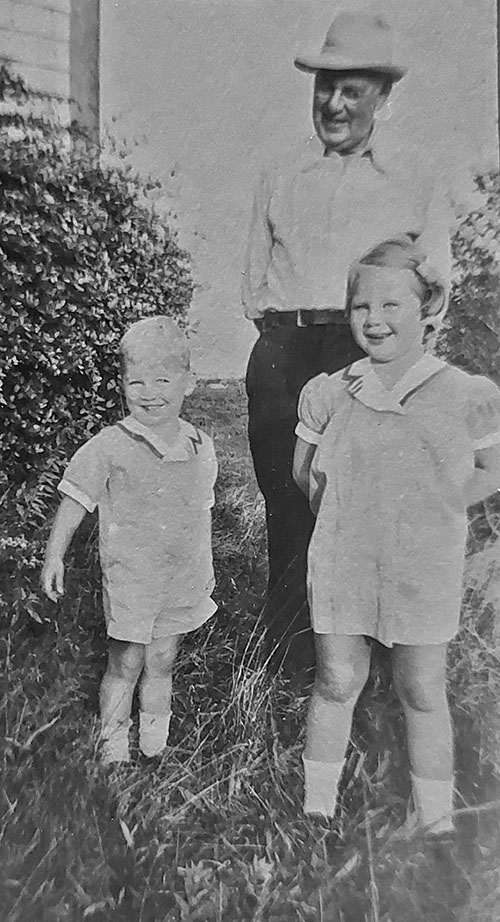

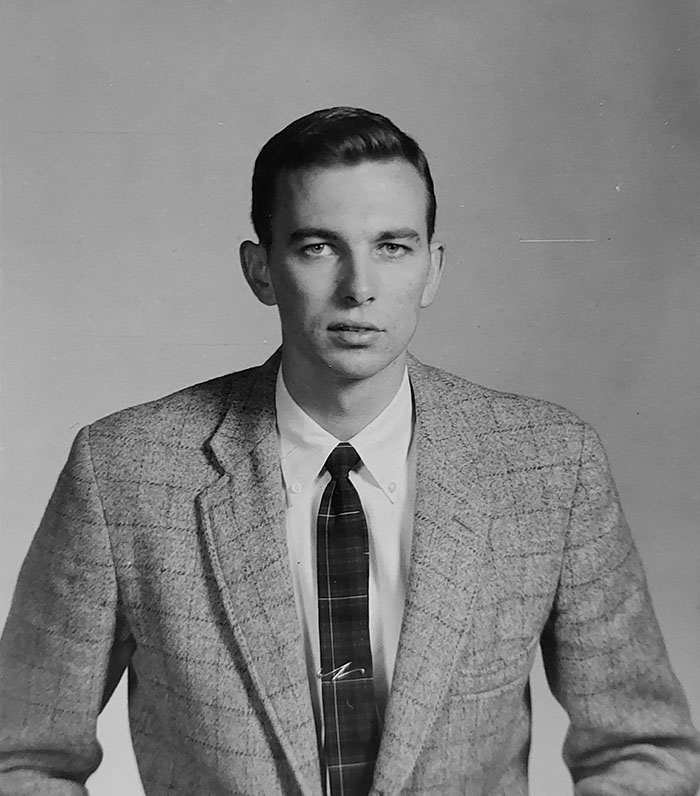
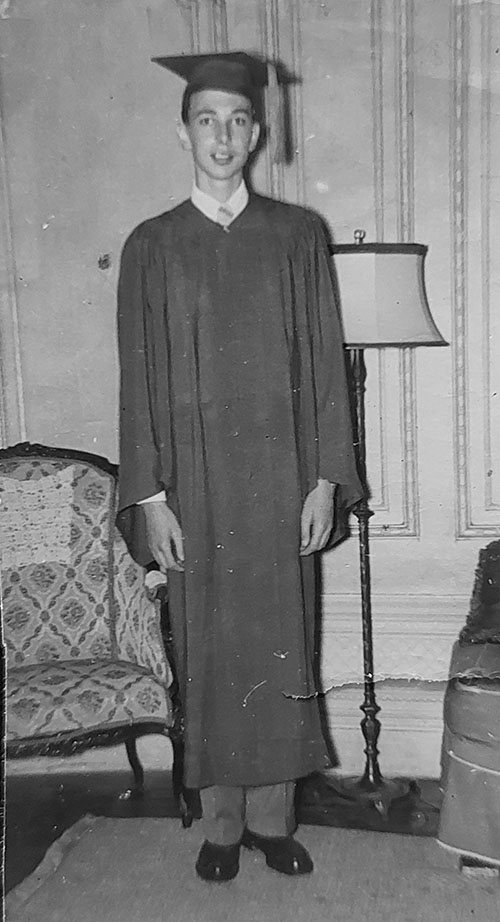
Early on, Conrad connected poetry with geology and the sea, which continued for his entire life. He attended the Menemsha School and then Tisbury High School for two years, after which he transferred to Bayside High in New York so he could attend Queens College and later Brooklyn College, where he graduated with a bachelor of science in geology in 1955.
Also, early on, he experienced one of nature’s most powerful meteorological and, ultimately, geological processes.
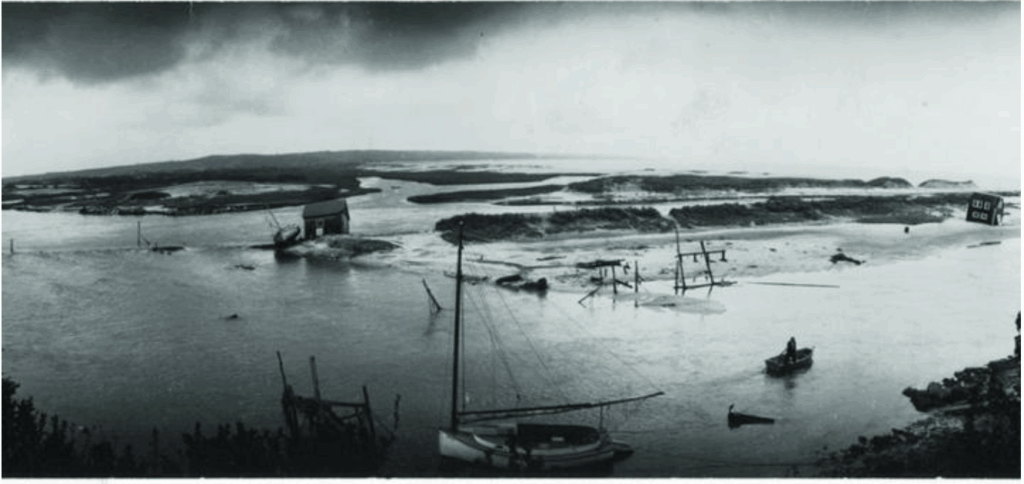
“The ‘38 Hurricane caught us by surprise. I remember the sky got all colored yellowy and during the storm our Model A Ford had the top blown off. We drove to Menemsha and I saw a grown man cry. That stuck in my mind. I forget who it was, but his boat was demolished. And of all things, as a child, a five-year-old, I just took in the scenery of devastation without really feeling, until this man spoke with his choked voice. And that made an impression on me as a five-year-old”(2).
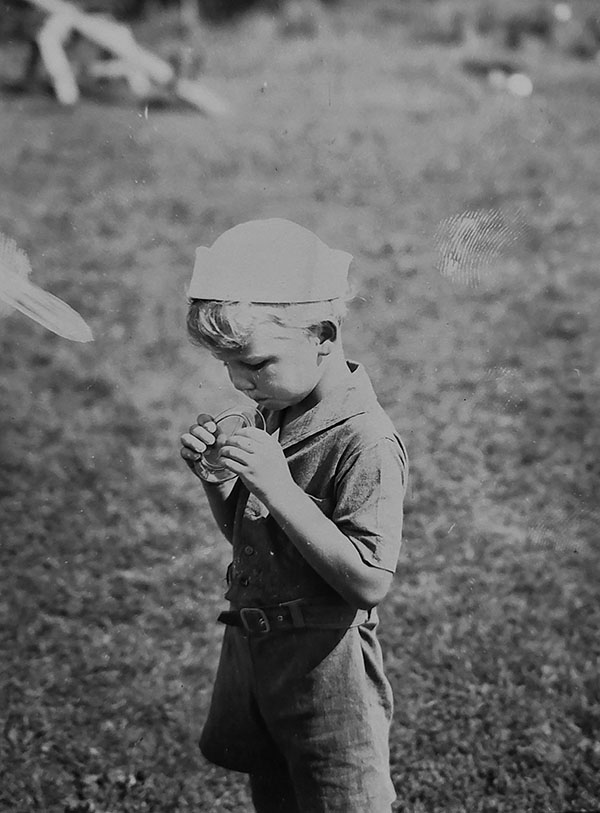
Conrad’s interest in geology started by looking for fossils in the Aquinnah area of the Island. His grandmother’s cousin “was a great naturalist kind of lady. Birds and fossils. And mineral deposits. Marcasite crystals. She had shoeboxes of them” (3). The famous brightly colored Pleistocene clay cliffs of Aquinnah, a national landmark, contain fossils bones of whales, camels, and wild horses—a great place for a kid to begin to appreciate Earth history.
He graduated from Brooklyn College in 1955 with a degree in geology. “Everybody was going off to different graduate schools when I graduated from Brooklyn College. And somebody left a graduate bulletin on the table in the lunchroom, and it had a ship on the cover. I picked it up. Texas A&M had this beautiful schooner (Jakkula), three masts, and had graduate courses in meteorology and oceanography. So I wrote a letter, one thing led to another and I was off.” (4) Conrad graduated from Texas A&M University in 1958 with a MS in oceanography.
Childhood ties brought him back to Woods Hole, MA (Woods Hole Oceanographic Institution–WHOI) where he met and was interviewed by Columbus Iselin, WHOI’s Director. Dr. Iselin said “We don’t have anything on the Red Sea circulation since 1931. And we’re going over there and you could do the circulation of the Red Sea.”
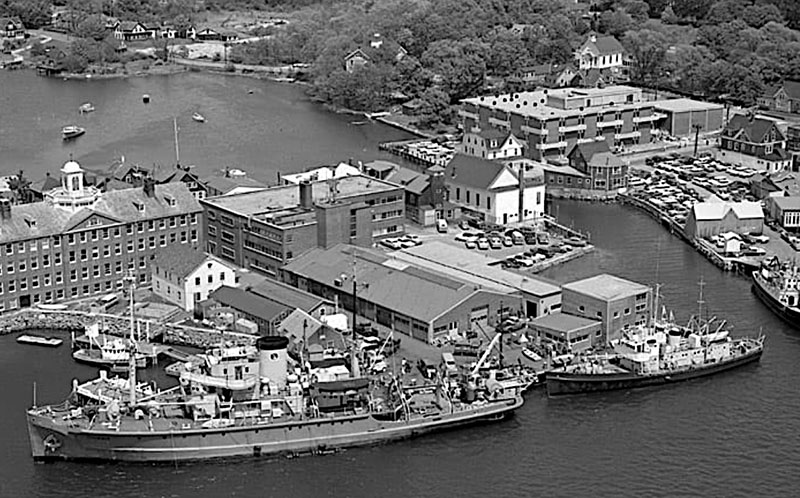
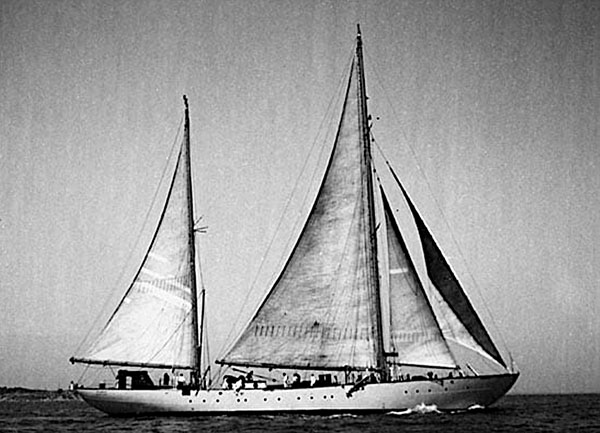
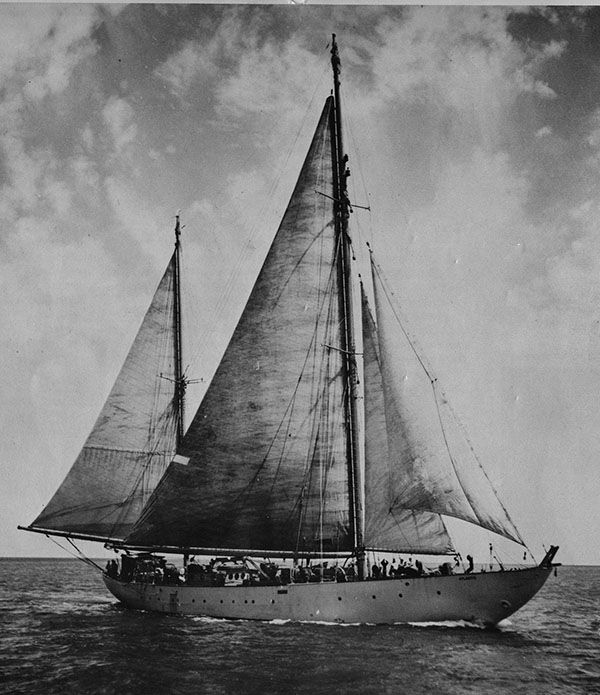
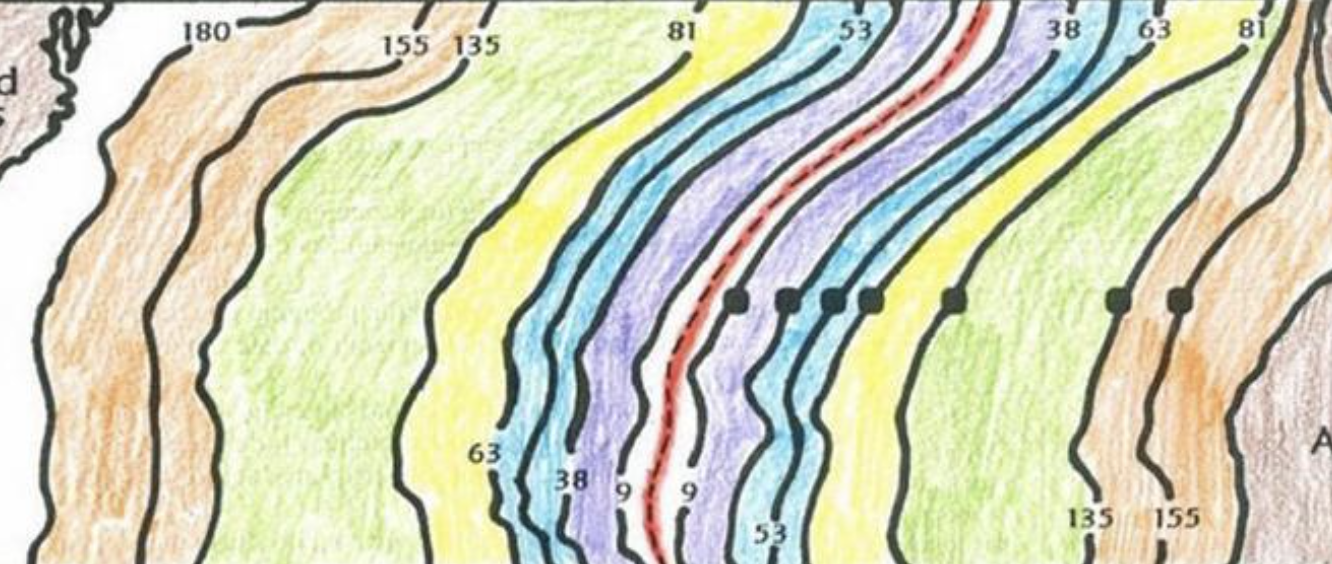
I said, ‘but I’m a geologist’. He said, “I thought you wanted to be an oceanographer? So next thing I know, I’m in the Red Sea. I had a wonderful time working at WHOI. For three years I was on the old Atlantis I (142 ft, 460 ton, steel hulled, ketch- rigged sailing vessel; built in 1930 specifically as a research vessel for WHOI and used by famous scientists of the day) and those were probably the most formative years, in some ways, to my education and work. And that was before the days of computers. We used crayons. Every oceanographer had a big box of colored pencils. We called it Crayola oceanography.”
In spring 1960, Conrad met Jane Spaeth while both were working at the Bermuda Biological Station. She wisely ignored him until the summer of 1961, when he returned to conduct research for his doctorate degree at Lehigh University.
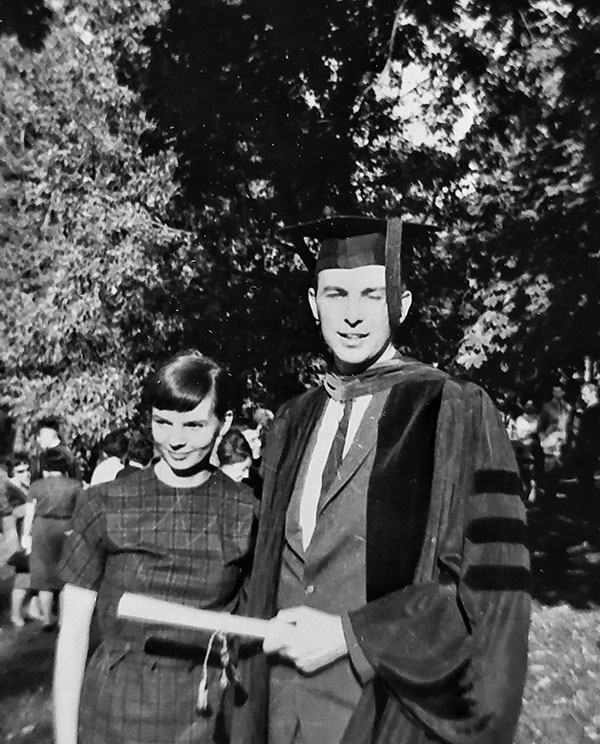
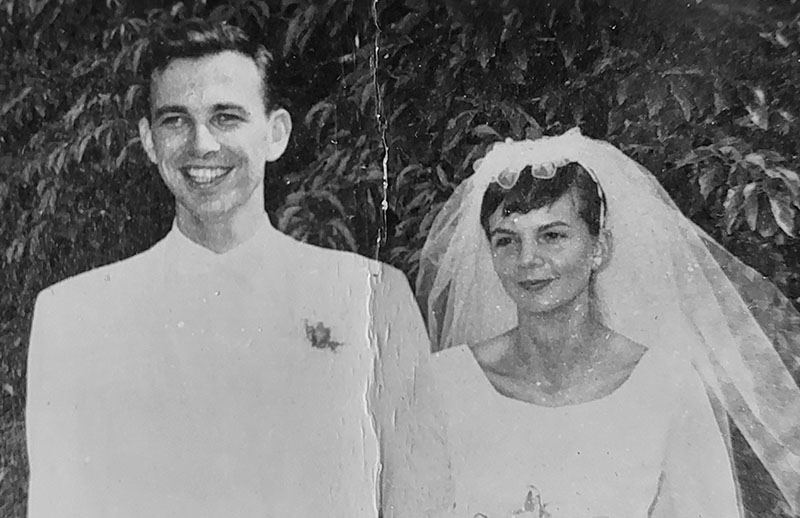
Working together aboard the RV Panulirus, Conrad recalls that he was confident his charm had finally won Jane over due to her intensely focused gaze as he recounted his sailing exploits. She later confessed that she had been desperately fighting back sea-sickness, and over a shared tin of preserved peaches, Conrad and Jane launched a relationship that saw the two wed in July 1962.
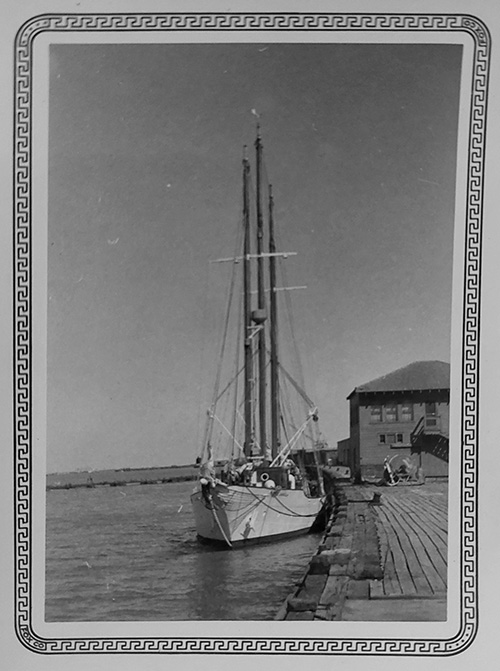
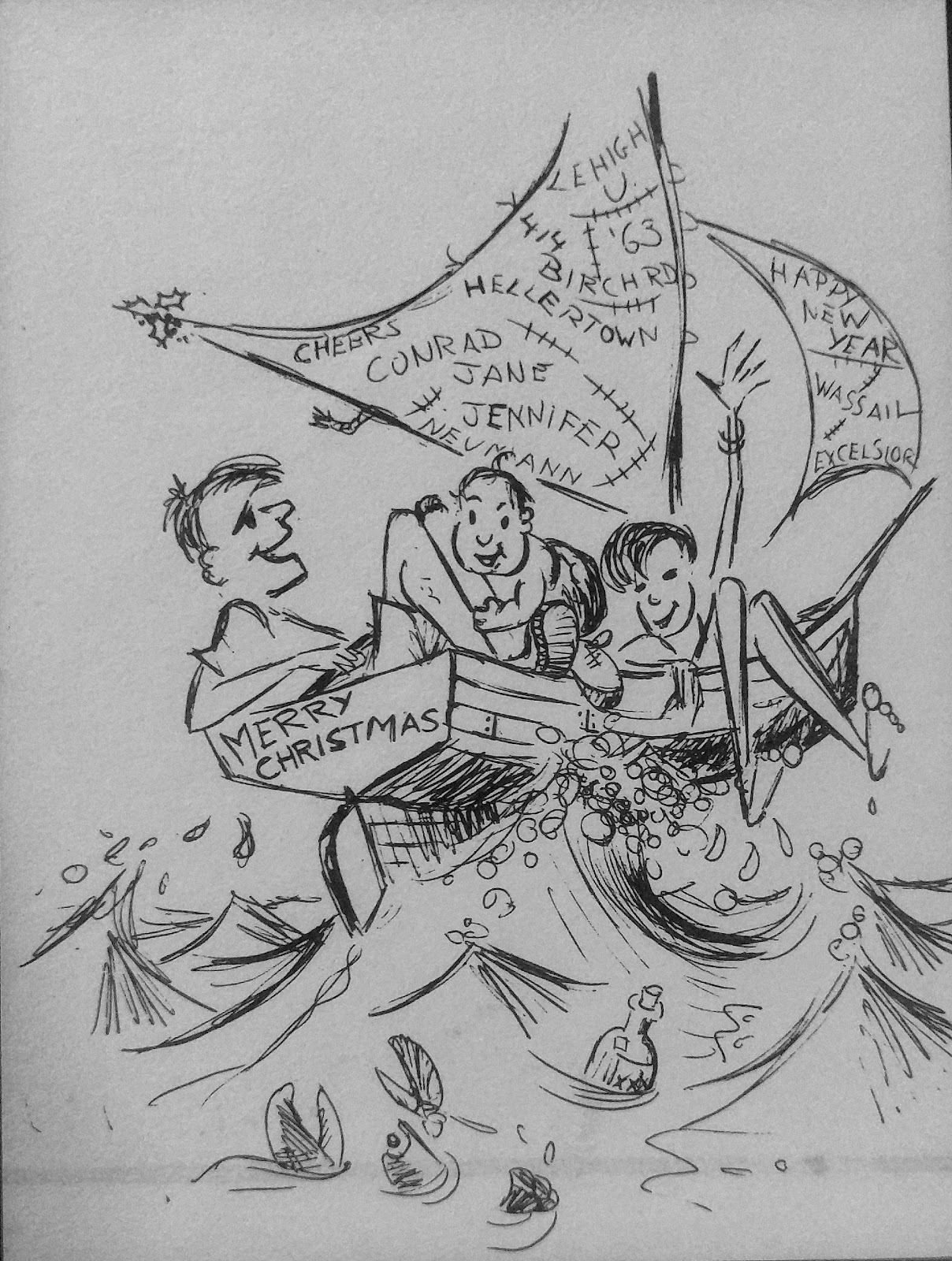
In 1963 Conrad received his PhD from Lehigh University with Keith Chave as his major advisor. His dissertation addressed the sedimentology of Harrington Sound, Bermuda. Then, it was off to a faculty position at the Rosenstiel School of Marine and Atmospheric Science at the University of Miami thus beginning his amazing career as a geological oceanographer.
In spring 1963, Jane and Conrad also launched a family with the arrival of Jennifer Jane. 1966 saw the arrival of the family’s second addition, Christopher Gilmore, followed in 1967 by Jonathan Hollick. The Neumann fleet was now complete.
The Professional Years
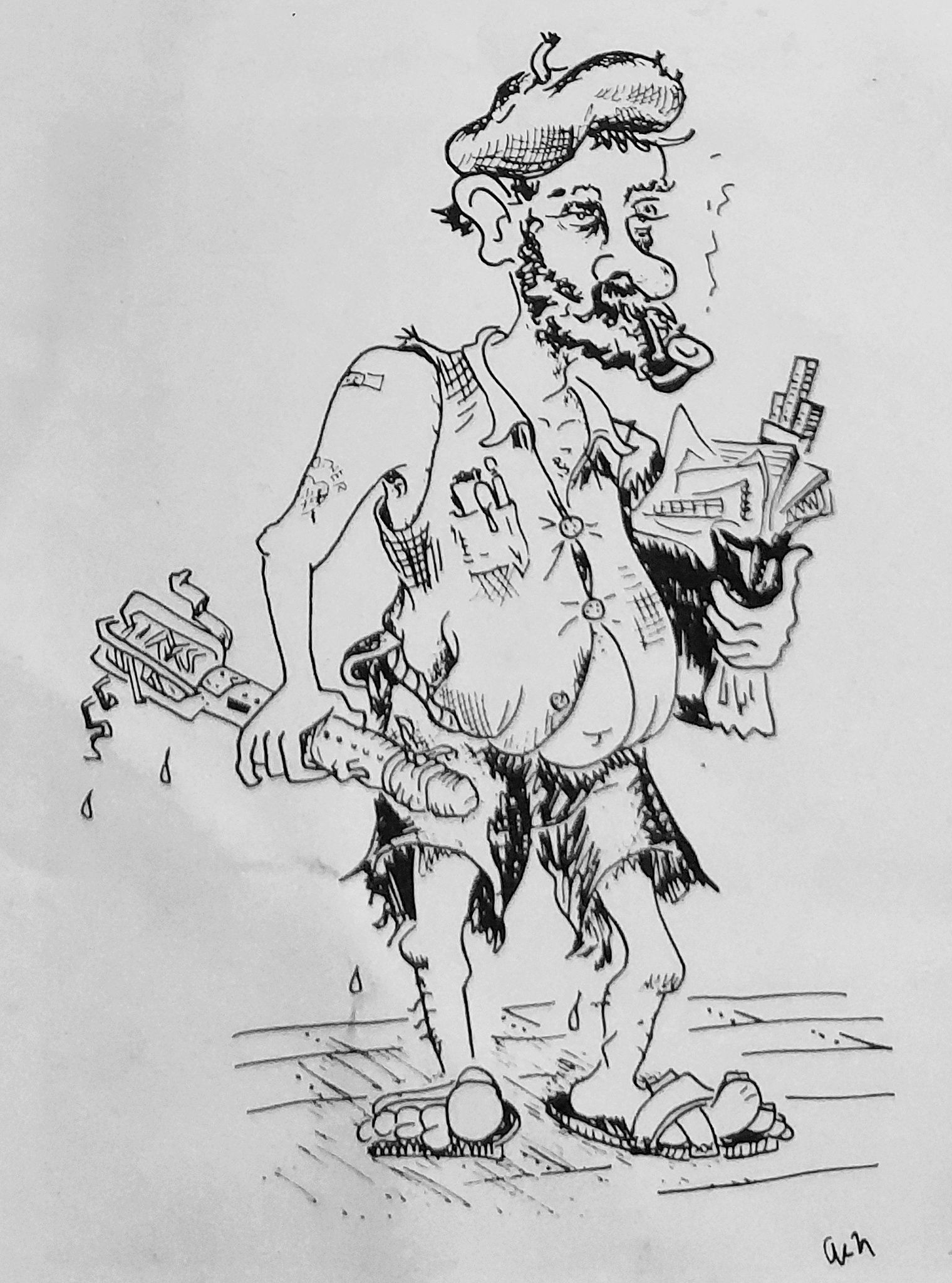
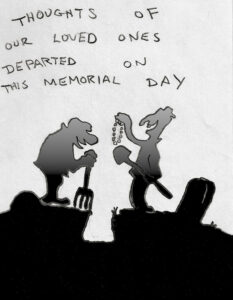
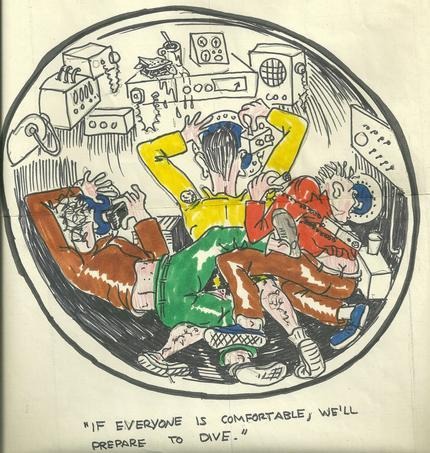
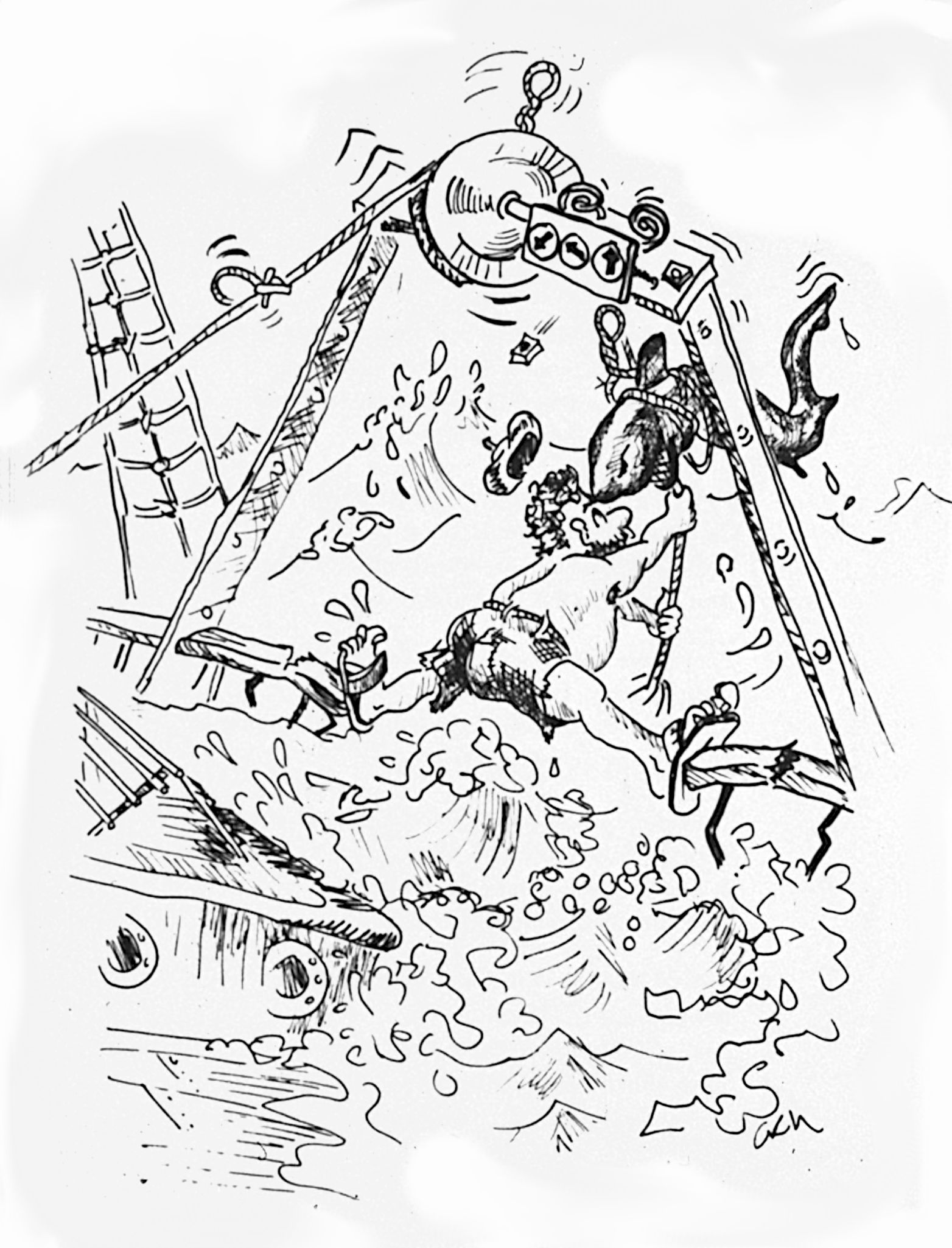
Conrad’s primary scientific gift was his intense, unconventionally creative and wonderfully imaginative mind. Indeed, he was known for his spot-on, hilarious cartoons depicting life at sea, life as a program manager at the National Science Foundation, or life inside a submersible.
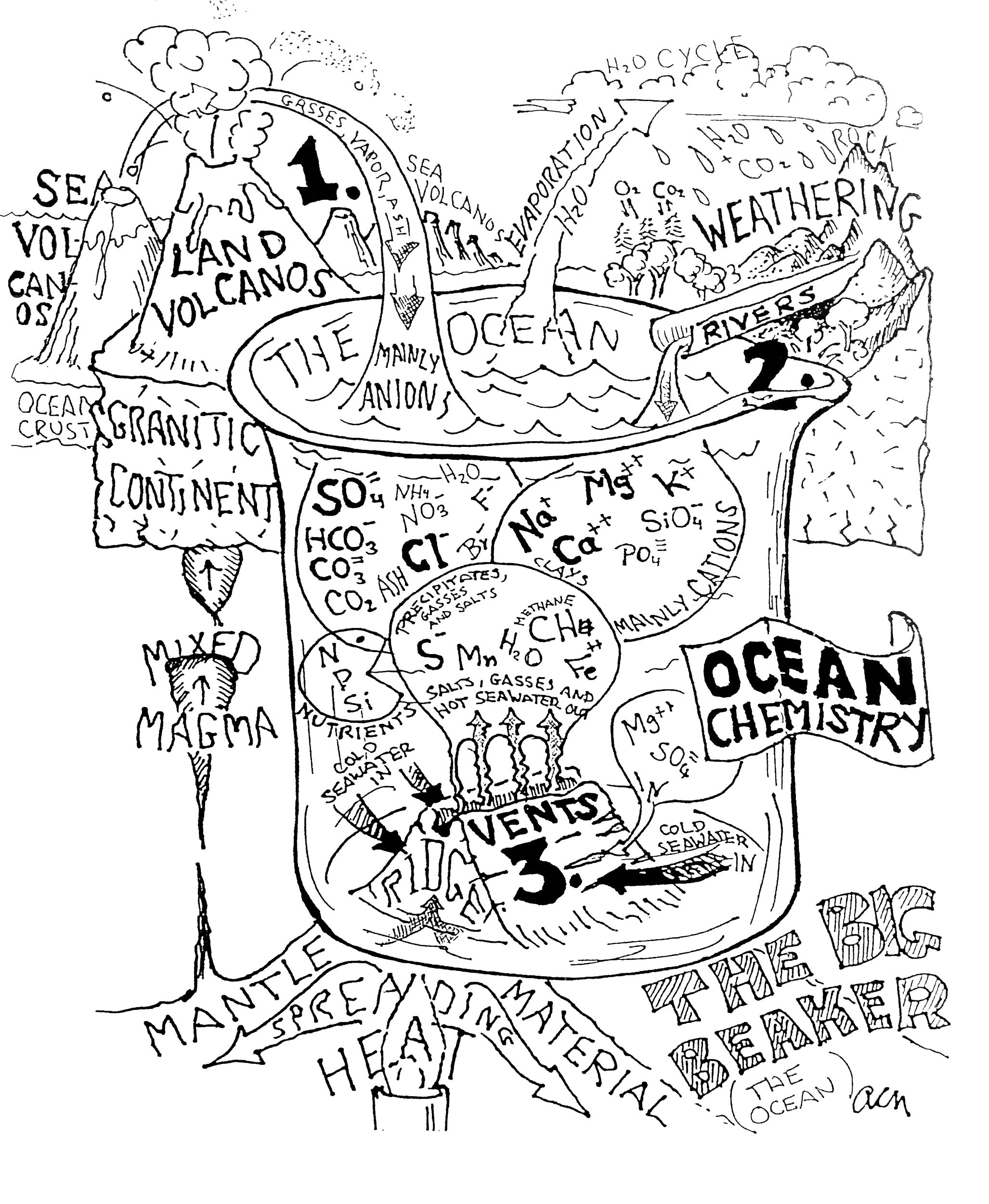
More to the point, he possessed a great ability to illustrate geologic phenomena using his hand-crafted depictions to entertain, but most assuredly to educate.
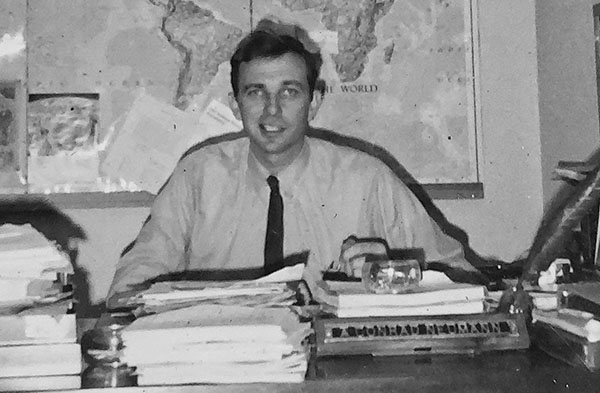
Dr. Neumann was one of the keynote players in carbonate sedimentology and carbonate depositional systems for 40 years. The quality of his work was recognized early on and he received many awards for his published papers. He was an experimentalist, a theoretician, and a far- seeing observationist. He lived in the world of ideas, he saw things others did not see, and his research was never tied to any research tool. His myriad ideas producing innumerable sparks – each a gem advanced by his graduate students and colleagues—ultimately to find their way into the literature.
Specifically, he made major contributions concerning: (1) the origin of lime mud and the flux of these sediments cast off into deep basins, (2) the geologic variability of carbonate platforms margins (shallow and deep) and the processes that build and shape them, (3) the effects of algal mats on sedimentary processes, (4) discovery of lithified, deepwater coral mounds in the ocean, (5) late Pleistocene/ Holocene sea level history, (6) methane-derived carbonates, (7) carbonate island geology of the Bahamas, (8) geochemobiology of modern stromatolites, (9) organic influences on carbonate cements, (10) origin of ancient mud mounds, and (11) geobiology of hardbottoms.
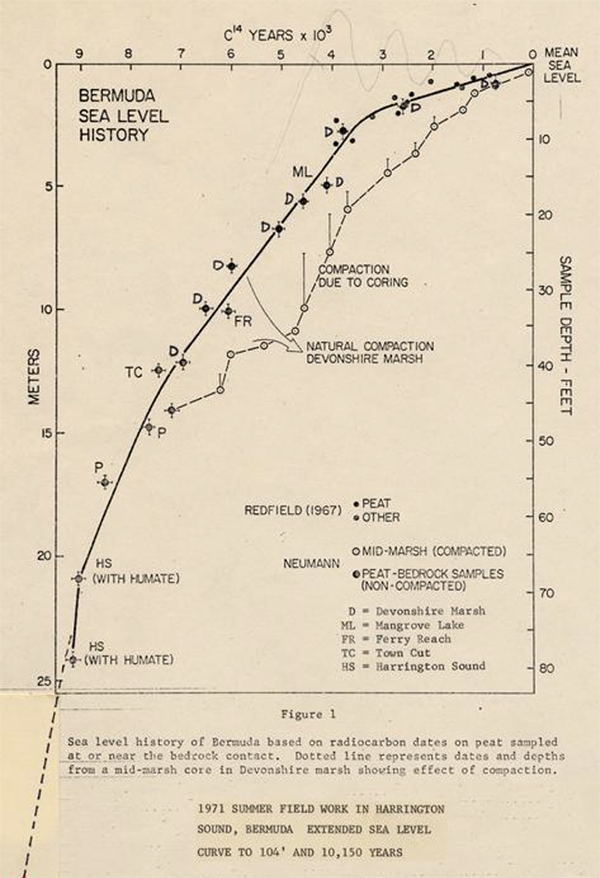
His published abstract illustrating his famous late Pleistocene/Holocene sea-level curve derived from basal peats in Bermuda is widely cited and was the best measurement of global eustacy (sea level) at the time.
Some of Conrad’s insights have so permeated current thinking that they are now taken for granted – such as “bioerosion”, a term he originated in 1966. In subsequent decades sedimentologists and biologists designed whole research programs and careers around expanding and quantifying the concept.
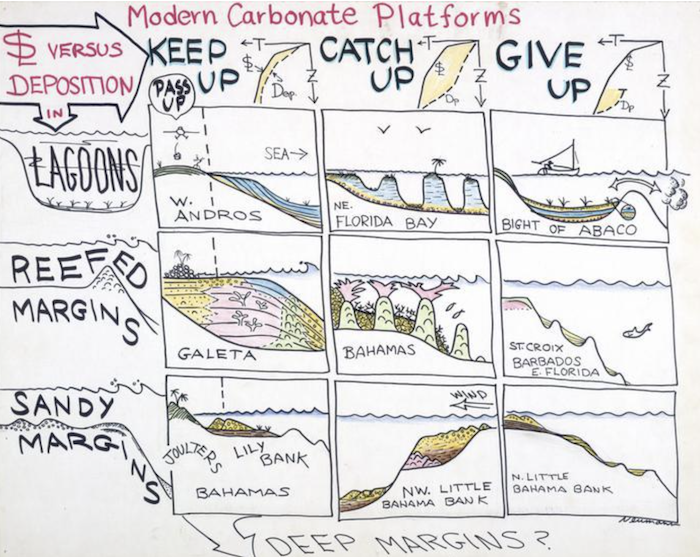
Another example is his conception (with Ian Macintyre) of “keep-up, catch-up and give-up reefs”.
This concept has been cited more frequently in the past decade than it was in the decade following its publication. These are but two of many “Neumannisms” that have become entrenched in the science.
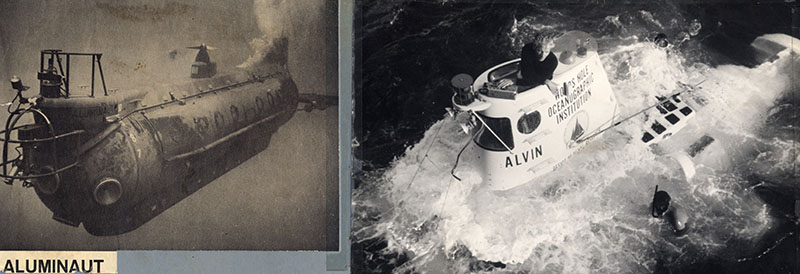
He was also one of the most effective early users of submersibles to conduct oceanographic research including the submersible Aluminaut and an amazing 33 dives on WHOI’s DSV Alvin.d
From 1970 to 1972 he served at the National Science Foundation in Washington D.C. before he reached his academic home within the Marine Sciences Curriculum (Department of Marine Science) at the University of North Carolina – Chapel Hill where he won many awards from colleagues and students as an outstanding member of the faculty, perhaps most importantly he was voted UNC’s Favorite Faculty, awarded by the university’s students.
What Conrad taught his students, scientific associates, and people lucky enough to be around him, represents his greatest scientific legacy. There is a generation of people who see things quite differently–much for the better– because they were fortunate enough to know Dr. A. Conrad Neumann.